All Categories
Featured


Why Regional Success Fuel Corporate Expansion
Table of Contents
The marketplace is predicted to grow at a compound yearly development rate (CAGR) of 6.6% during the projection duration 20252033. Leading market participants consist of Chipotle Mexican Grill, Panera Bread, Shake Shack, Five Guys, Noodles & Company, Panda Express, Wingstop, Zaxby's, Qdoba Mexican Consumes, Blaze Pizza, Jersey Mike's Subs, MOD Pizza, Sweetgreen, CAVA, Pret A Manger along with local rivals.
Growth in online ordering and food shipment services, Increased choice for healthy and organic food alternatives and Expansion of fast-casual restaurants in emerging markets are a few of the notable development patterns for the fast casual restaurants market. Author's Details Anantika Sharma is a research practice lead with 7+ years of experience in the food & beverage and customer items sectors.
Anantika's leadership in research guarantees actionable insights that enable brands to grow in competitive markets. Her knowledge bridges information analytics with strategic insight, empowering stakeholders to make informed, growth-oriented decisions.
The 3rd quarter was especially hard for a handful of chains that specify the fast-casual category particularly Chipotle, CAVA, and Sweetgreen, which all fell below expectations. At the same time, Panera, a fast-casual pioneer, just revealed a after experiencing stagnant sales and growth throughout the past numerous years. This pattern comes simply a year after the classification exceeded its casual and quick-service peers, showing it was insulated in a promptly.
2026 Fast Dining Sector Share ForecastsTop High-Yield Business Investments in 2026
As we knock on the door of 2026, however, that no longer seems to be the case, and the outlook doesn't look much rosier in the coming months. According to Technomic's, the category's momentum is expected to continue to slow as it hits maturity. The fast-casual section has doubled in size throughout the past decade, jumping from $37.2 billion in total annual sales in 2015 with a projection of completing 2025 with $84.1 billion.
Traffic at fast-casual chains slowed from a boost of about 3.3% in December 2024 to 1.7% in October 2025. By contrast, quick-service traffic has enhanced from -3.6% in December 2024 to 0.7% in October 2025, recommending market share movement in between the two classifications. Technomic's report shows that fast-casual's efficiency is losing its edge not simply over quick-service, but also casual dining.
Quick-service satisfaction jumped from 47% in 2021 to 50% in 2025, and casual dining increased from 52% to 54%. Additionally, value scores for quick service leapt by 4% from 2021 to 2025, while casual dining increased by 2% and fast casual increased by 1%. Technomic's information shows that 8.1% of current quick-service celebrations were drawn from fast-casual dining establishments, compared to 6.9% in the year prior.
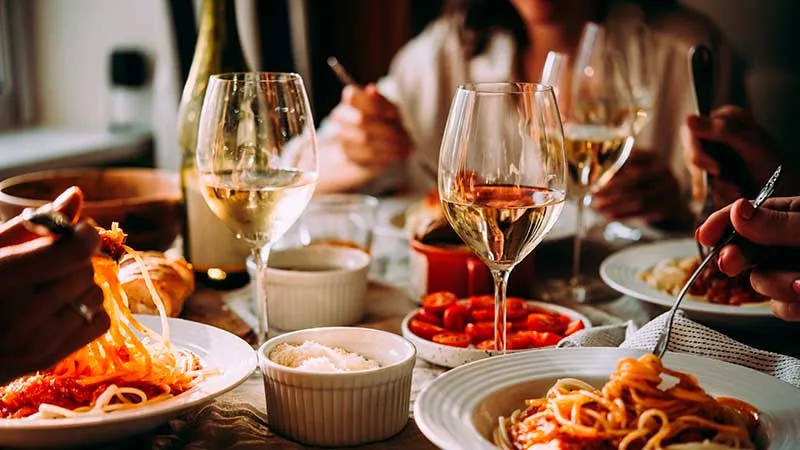
It reveals that quick casual continued to lose share of wallet in the third quarter, with underperformance from essential brands like Chipotle, Panera, and 5 Guys overshadowing more robust development from Shake Shack and CAVA. Related:Shake Shack stock plunges as weather and beef costs pressure revenuesIn that quarter, casual dining preserved momentum, gaining from a "widening viewed worth gap versus fast food/fast casual and from improvements in service quality and in-store experience," the report kept in mind.
How to Scale Your Regional Expansion
These brand names might continue to face headwinds if they do not change prices or quality concerns, according to Consumer Edge. Numerous seem to be trying, at least. In October, Chipotle executives stated the company does not plan on passing tariff-related inflation onto customers despite persistent pressures. Ceo Scott Boatwright also stated the company is focusing more on interacting its strong value proposal, adding that Chipotle is priced 20% to 30% lower than its peers."This space has broadened over the last few years as our rates has actually consistently tracked the more comprehensive dining establishment industry," he stated during the business's 3rd quarter incomes call.
Bottom line, our worth proposition has never been more powerful."Related:Noodles & Company raises assistance on strong very first quarterCAVA also plans to be conservative with rates in 2026. During his company's early November earnings call, CEO Brett Schulman said the chain has actually raised menu costs by about 17% considering that 2019, versus market peers, which have actually taken about 34%.
"We're not oblivious to the commentary about the $20 lunch. You can get a chicken filet with all the toppings included (for) sub $13, not a $20 lunch, and that's an opportunity for us to continue to communicate." Sweetgreen executives yielded that they "need to do a better job producing entry prices," and the chain is experimenting with different rates tiers "in the coming months." As for Panera, the company's new tactical plan includes increased financial investments in the menu, guaranteeing higher quality active ingredients and abundance.
The Outlook for Growth Franchise Investments in 2026
Time will inform if the category can return to market share gains versus losses. In the meantime, fast-casual chains would be smart to follow Consumer Edge's prediction: "The 2026 diner isn't cutting back they're cutting through the noise to discover value that feels worth it."Contact Alicia Kelso at Follow her on TikTok: @aliciakelso.

Latest Posts
Why Regional Success Fuel Corporate Expansion
Corporate News: New Developments for 2026

How Hospitality Trends Will Shape Future Returns